Pest Control Services for Suburban Homes and Large Yards

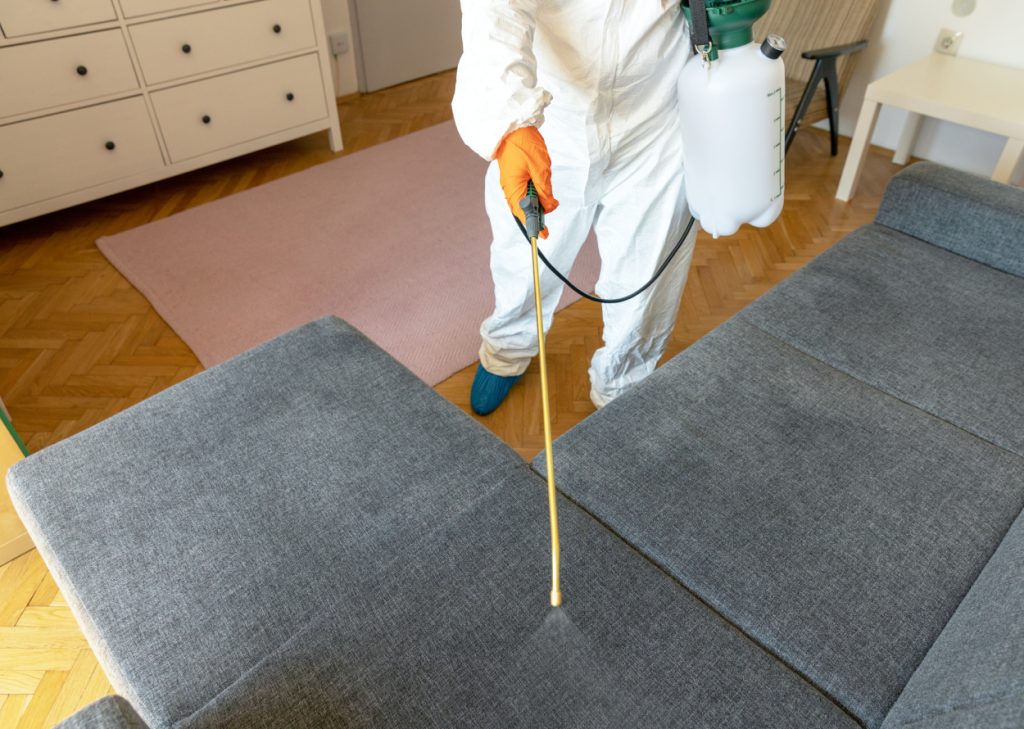

Suburban properties create a very particular kind of pest pressure. A home might sit on a quarter acre, half acre, or several acres with a mix of lawn, ornamental beds, fences, sheds, mulch, drainage swales, and mature trees. That variety is appealing to homeowners, but it is equally appealing to insects and rodents. In practice, the bigger the footprint, the more edges there are to manage, and pests love edges.
That is why Pest Control Services for suburban homes and large yards are rarely just about spraying a foundation and calling it done. A dense downtown property with little vegetation behaves differently from a house backed by woods, a retention pond, or a greenbelt. The pest activity is broader, more seasonal, and often tied to how the outdoor space is maintained. If you have ever seen ants marching out of a landscape border after rain, mosquitoes breeding in a forgotten low spot, or mice moving from a detached garage toward the kitchen once temperatures drop, you already know the problem is not confined to one wall or one room.
Effective service on this kind of property depends on understanding how pests move through the landscape, what attracts them, and where a professional can intervene without wasting time or product. The best work is strategic, not heavy-handed.
Why suburban properties attract more pest activity
A large yard gives pests three things they need: food, water, and shelter. In suburbia, those resources are often packed close together. Grub-rich lawns attract moles and the predators that follow them. Bird feeders scatter seed that brings in squirrels, rats, and mice. Irrigation systems keep soil damp enough for ants, earwigs, and termites to remain active longer than expected. Dense foundation plantings shade the soil, trap humidity, and create hidden travel routes.
There is also the issue of transition zones. Pests thrive where one environment meets another. The fence line against a vacant lot, the mulch bed beside the patio, the garage threshold opening to the driveway, and the woodpile near the back hedge all function like corridors. On larger properties, there are simply more of these corridors to inspect and maintain.
I have seen two neighboring houses with nearly identical square footage have completely different pest histories because one had heavy ivy, stacked firewood, and poor drainage, while the other kept vegetation trimmed back and stored materials off the ground. Pest pressure is not just a matter of geography. It is also a matter of layout and habits.
The pests that show up most often
Suburban pest control tends to revolve around a core group of recurring issues, though the exact mix changes by region. Ants are near universal, especially around patios, kitchens, and irrigation lines. Spiders follow insect populations and often build up around eaves, lighting, and garages. Wasps use rooflines, playsets, and sheds. Mosquitoes exploit gutters, toys, planters, drainage dips, and leaf-clogged areas. Rodents take advantage of garages, crawl spaces, attic voids, and detached outbuildings.
Then there are the pests that reflect site-specific conditions. Homes bordering woods may deal with ticks, carpenter ants, wildlife incursions, and occasional snake sightings tied to prey activity. Properties near water may struggle more with mosquitoes and midges. Newer suburban developments built on former farmland sometimes see high vole, mole, or field mouse pressure during the first years after construction, especially if surrounding lots are still disturbed.
Termites deserve special attention. They do not announce themselves early, and large landscaped properties often have enough moisture variation and wood-to-soil contact points to create ideal conditions. A decorative timber border, a fence post, a buried tree stump, or a porch column with hidden moisture can all become part of the story.
What good Pest Control Services actually include
A solid service plan starts with inspection, and not the rushed kind where someone walks the front porch, glances at the base of the house, and heads back to the truck. On a suburban lot, the technician should be reading the property like a map. Where does water stand after rain? How close is mulch to the siding? Is the crawl space vent screened properly? Are tree branches touching the roof? Is there evidence of rodent rub marks along the garage wall, ant mounding near hardscape joints, or wasp nesting under deck rails?
The service itself should match the biology of the pest and the structure of the property. Exterior treatments often focus on entry points, harborage zones, and high-activity areas. Interior work is usually more targeted unless there is an active infestation indoors. In larger yards, broad treatment without a purpose tends to be inefficient. A better approach is to identify where pressure starts and where it is likely to migrate next.
Homeowners are sometimes surprised to learn that the most valuable part of Pest Control Services is often not the application itself. It is the recommendations that come with it. A technician who points out that a downspout is saturating the mulch bed, that the crawl space door no longer seals tightly, or that stacked pavers behind the shed are creating rodent cover is doing real preventive work. Those details save repeat visits.
Large yards change the treatment strategy
A compact property can sometimes be managed with a straightforward perimeter service. Large yards require zoning. The front foundation may need one approach, the rear tree line another, and the detached workshop a third. This matters because pests do not distribute evenly. They gather where the environment suits them.
Take mosquitoes as an example. Many homeowners assume the issue comes from the woods beyond the fence, and sometimes it does. But just as often, the worst breeding is right on the property: clogged corrugated drainpipe, a sagging tarp over yard equipment, saucers under planters, or low pockets near the back gate that hold water for several days. A technician who only treats open lawn and shrubbery may reduce adult activity for a short period, but the lasting gains come from finding and correcting those small water sources.
The same principle applies to ants. On a larger lot, there may be several colonies with different food preferences and nesting sites. One could be in the retaining wall by the driveway, another under the paver patio, and another along the far fence where aphids on ornamentals provide honeydew. If the treatment is too general, control is partial and callbacks are likely.
The outdoor conditions that drive infestations
The condition of the yard often predicts the type and severity of the pest problem better than the home’s size does. Moisture is the first thing to assess. Wet soil near the foundation, clogged gutters, leaking hose bibs, and overwatered beds support a long list of pests. Shelter comes next. Thick ground cover, debris piles, unsealed outbuildings, and decorative stone borders can all provide refuge. Food sources round out the picture, and those include more than crumbs and trash. Pet food in a mudroom, fallen fruit under a backyard tree, and insects drawn to exterior lights all play a role.
There is usually not one cause. It is the combination that matters. A dark mulch bed against the house is not always a problem. Add chronic moisture from a sprinkler head and overgrown shrubs brushing the siding, and it becomes a textbook setup for ants, earwigs, and spiders.
Seasonal pressure is real, and it changes fast
Suburban pest control is one of those fields where timing matters as much as technique. In spring, overwintering pests reappear, ant colonies expand, and wasp queens begin nesting in quiet protected areas. Early summer often brings spikes in mosquitoes, flies, and stinging insects. By late summer and early fall, rodent exclusion becomes more urgent because cooler nights push mice toward buildings. Winter is quieter outside but can expose hidden indoor activity in attics, basements, and garages.
A homeowner who only thinks about pests when activity becomes visible is usually reacting late. This is not a criticism, just a pattern. Most infestations build quietly first. Carpenter ants often start in moisture-damaged wood before anyone notices frass. Rodents can travel wall voids for weeks before droppings appear in an obvious spot. Wasps may establish under a second-story eave that no one looks at until the nest is mature.
That is why recurring service often performs better than one-time treatment on large suburban properties. Not because every property needs constant chemical use, but because conditions change. Rainfall changes. Vegetation grows. New gaps open around utility lines. A routine schedule catches those shifts before they turn into entrenched problems.
What homeowners can do between professional visits
The best results come from a partnership between the service provider and the homeowner. A technician can https://griffinrlnt393.capitaljays.com/posts/how-pest-control-services-help-prevent-costly-property-damage reduce pressure, eliminate active nests, place targeted materials, and identify vulnerabilities. Daily habits and maintenance decisions determine how long those gains last.
Here are the adjustments that most consistently help on suburban properties:
- Keep shrubs and ground cover trimmed back from siding, vents, and utility penetrations.
- Store firewood, lumber, and bagged materials off the ground and away from the house.
- Correct drainage problems, including clogged gutters, standing water, and overspray from irrigation.
- Seal garage door edges, attic entry points, and obvious exterior gaps before cool weather arrives.
- Reduce attractants such as spilled bird seed, outdoor pet food, and unsealed trash.
None of these steps is glamorous, and none replaces professional treatment when there is an active issue. But they change the odds. A house that is harder to access and less rewarding to exploit is simply less attractive to pests.
Mosquito control in large yards takes more than fogging
Mosquito work deserves its own section because it is one of the most misunderstood services in suburban settings. Homeowners often want immediate relief for a patio, pool area, or play space, especially during humid months. There are treatments that can knock down adult mosquito populations and improve comfort, but those gains are temporary if breeding sites remain active.
Large yards are notorious for hiding water in plain sight. It collects in clogged gutters, corrugated extension drains, wheelbarrows, kids’ toys, the folds of grill covers, and French drain outlets that do not drain quite as well as they should. The problem is not always obvious standing water either. Some species need very little.
A good mosquito program combines habitat correction with targeted treatment of resting areas such as shaded foliage, dense perimeter vegetation, and humid corners where adults shelter during the day. It is also wise to be realistic. If the property borders unmanaged woods or water, complete elimination is unlikely. The goal is meaningful reduction around the spaces people actually use. That distinction matters because it shapes expectations and keeps the service honest.
Rodent pressure often starts outside
When homeowners see a mouse in the pantry, they think the problem began in the kitchen. On suburban lots, the story usually starts outdoors. Rodents establish themselves in brushy edges, under sheds, behind stored materials, or in detached garages long before they enter the main structure. Once temperatures dip or food becomes scarce, they move inward.
This is where inspection quality really shows. A technician should check the perimeter of the garage, the base of exterior doors, utility entries, foundation vents, and attic access points. On older homes, gaps the width of a pencil are not unusual around worn weather stripping or settlement cracks. On larger lots, detached structures are often the forgotten weak link. A shed with a loose threshold and stored seed can support rodent activity all season, then feed pressure toward the house.
Control usually requires both exclusion and population reduction. Sealing entry points without addressing the active population can leave rodents trapped in unwanted places. Relying only on traps or bait without closing gaps invites the next wave. The two sides have to work together.
Termite risk rises when landscaping hides the structure
Termites are not limited to neglected properties. Well-kept suburban homes get them too, especially where landscaping keeps moisture close to the foundation or conceals early warning signs. Thick mulch, dense shrubs, buried wood, and irrigation overspray all deserve scrutiny. So do deck posts, fence attachments, and any wood component that remains damp for long periods.
One of the more common issues on large yards is that decorative features multiply unnoticed. A timber garden edge here, a pergola there, an old stump left near the rear line, scrap lumber behind the shed, and suddenly there are several cellulose sources drawing termite activity closer to the home. None of these details guarantees infestation, but together they increase opportunity.
If a termite system or treatment is in place, it should be monitored consistently. Skipping inspections because the house looks fine is a risky habit. Subterranean termites are patient, and visible damage tends to appear late.
Choosing a provider for a larger property
Not every company is equally suited to larger suburban lots. Some excel with routine urban perimeter work but struggle when a property includes drainage issues, detached buildings, dense vegetation, and multiple pest categories at once. The difference usually comes down to inspection habits, communication, and whether the company thinks beyond a preset route.
When comparing providers, ask practical questions. Do they customize service zones across the property, or do they apply the same standard perimeter treatment everywhere? How do they handle mosquito reduction on lots with wooded edges? Will they note structural and moisture issues even if repairs are outside their scope? Are follow-up visits included for active problems? Can they service sheds, garages, and fence lines, or only the immediate home perimeter?
The most reliable companies explain what they are treating, why they are treating it, and what the homeowner can do to support the result. They do not promise a pest-free universe, because no honest operator can. They promise a disciplined process.
What a realistic service plan looks like
For many suburban homes, the sweet spot is a recurring exterior-focused service with interior attention as needed, plus seasonal add-ons for specific issues such as mosquitoes, termites, or rodents. Properties with significant yard features often benefit from scheduled reassessment because the environment changes through the year.
A realistic plan usually includes the following elements:
- A thorough initial inspection of the house, yard, outbuildings, moisture patterns, and known pest activity.
- Targeted treatment of active areas, entry points, and harborage zones rather than blanket application without purpose.
- Clear recommendations for sanitation, trimming, drainage correction, and exclusion repairs.
- Follow-up visits timed to seasonal pest behavior and the property’s pressure points.
- Documentation of what was found, what was done, and what still needs attention.
That kind of structure helps both sides. The technician works from observation rather than guesswork, and the homeowner knows whether the issue is improving, holding steady, or being fueled by unresolved conditions.
The balance between treatment and prevention
Some homeowners want the strongest possible treatment everywhere, assuming more product means better protection. In my experience, that is rarely the smartest path, especially on large landscaped lots. Overapplication can miss the actual source of the problem while increasing cost and disruption. Precision tends to outperform volume.
The better balance is targeted treatment paired with prevention. If ants are repeatedly entering through a shaded rear corner where mulch is piled high against the siding, the answer is not simply to spray more often. It is to treat the active colony, adjust the mulch depth, pull vegetation back, and correct any moisture issue in that zone. If rodents keep showing up in the garage, sealing the side gap and managing clutter matters just as much as trapping.
This is where professional judgment separates routine service from real pest management. Pests respond to conditions. Change the conditions, and control gets easier.
When one-time service makes sense, and when it does not
There are times when a one-time visit is perfectly reasonable. Removing a visible wasp nest, addressing a localized ant issue, or inspecting for a specific concern after a storm can all fit that model. But if the property has recurring mosquitoes, seasonal rodent intrusions, or a pattern of multiple pest issues tied to yard conditions, one-time treatment often becomes a revolving door.
Large suburban properties have too many moving parts for a single snapshot to solve everything. Trees grow into rooflines. Drainage changes after landscaping work. New patio additions alter water flow. Fence repairs create gaps. Service that works well in April may need adjustment by September. A recurring plan is not automatically necessary for every household, but for larger yards with steady pest pressure, it is often the most efficient and predictable route.
The real value of Pest Control Services on suburban lots
The strongest Pest Control Services do more than reduce visible pest activity. They protect how the property functions. They make the patio usable in mosquito season, keep rodents out of holiday storage in the garage, reduce surprise spider webs around entryways, and catch termite or moisture conditions before repair bills climb. For households with children, pets, gardens, and frequent outdoor use, that practical value is significant.
Suburban homes sit at the intersection of domestic space and semi-natural habitat. That is part of their appeal. It is also why pest control has to be more thoughtful there. The right provider will not treat the house as an isolated box. They will look at the whole property, understand where pressure begins, and build a plan around the way the site actually behaves.
When that happens, pest control stops feeling reactive. It becomes part of sensible property management, right alongside drainage, trimming, and seasonal maintenance. On a large yard, that shift in mindset makes all the difference.
Affordable Pest Solutions LLC
Phone number: +19732299547
FAQ About Pest Control Services
How much does pest control charge?
For a standard 1,500-square-foot home, professional pest control charges generally average $100 to $300 for an initial visit, with ongoing monthly services running $40 to $75 per visit and one-time emergency exterminations costing $100 to $600, depending heavily on the specific pest and the severity of the infestation.
What is the hardest pest to get rid of?
Bed bugs are widely considered the hardest household pest to get rid of, closely followed by German cockroaches and subterranean termites.
What is included in a pest control service?
A standard pest control service includes a property inspection, targeted treatments, and prevention advice. It typically covers common pests like ants, spiders, and cockroaches, using sprays, baits, or traps.